Choosing Natural & Breathable Insulation
There is no single insulation material that is best for every building.
The most appropriate product depends on where the insulation is being installed, the existing construction, available thickness, required thermal performance, moisture exposure and proposed internal or external finish.
This is particularly important in traditional solid-wall buildings, where insulation changes both the temperature and moisture conditions within the existing masonry.
Natural Insulation for Traditional Buildings
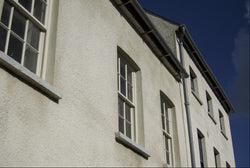
Traditional stone and brick buildings often behave differently from modern cavity-wall construction.
Solid masonry can absorb, store and redistribute moisture, so internal insulation should be considered as part of the complete wall rather than simply adding the material with the lowest thermal conductivity.
Vapour permeability, capillary behaviour, moisture storage, rainfall exposure and drying potential can all influence the suitability of an insulation system.
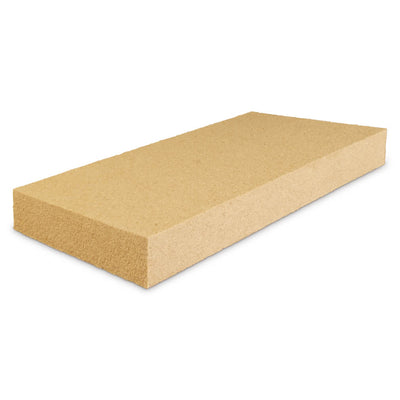
Wood Fibre Insulation
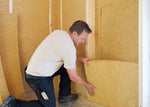
Wood fibre insulation can be used in walls, roofs and floors, with different products manufactured for different applications.
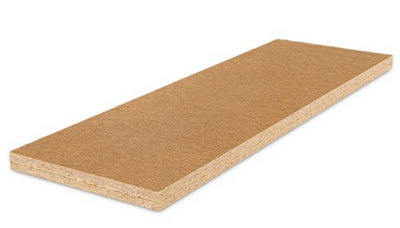
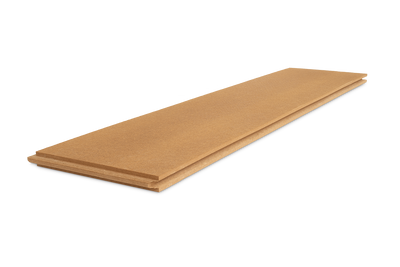
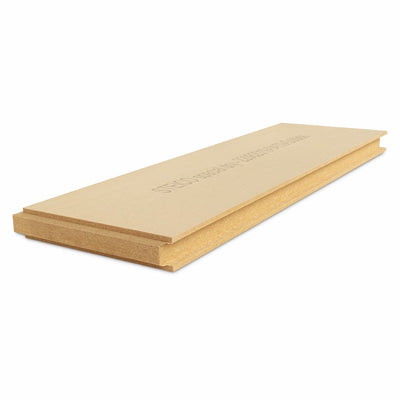
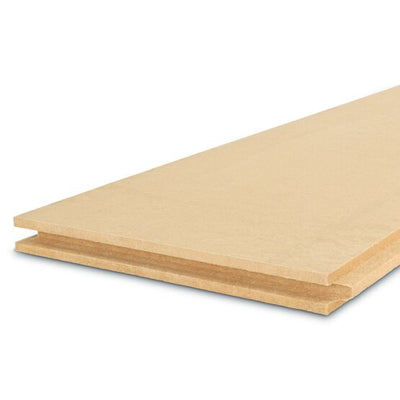
STEICO Internal, for example, is a rigid wood fibre board specifically intended for internal insulation of masonry walls and has a declared thermal conductivity of approximately 0.038 W/mK.
Flexible wood fibre products such as STEICO Flex 036 and Naturheld Flex are designed for friction-fitting within suitable framed constructions.
External sheathing and sarking boards have different performance requirements again, so the specific product should always be matched to its intended application.
Internal Wall Insulation
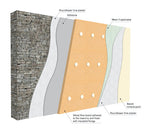
Internal wall insulation can significantly improve the thermal performance and internal surface temperature of traditional solid walls.
However, insulating internally also makes the original masonry colder during winter, which can affect its moisture behaviour.
For this reason, the wall condition, external exposure, insulation thickness and proposed build-up should be assessed before installation.
Capillary-active and vapour-open systems can be particularly useful where maintaining drying potential is important.
Roundtower SuperTherm
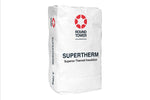
Roundtower SuperTherm is an ultra-lightweight insulating lime plaster developed for breathable internal wall insulation on solid masonry, stone and brick.
With a thermal conductivity of approximately 0.0395 W/mK, it provides unusually high thermal resistance for a plaster-based insulation material while allowing a continuous insulation layer to follow irregular masonry.
This can make insulating plaster particularly useful where uneven stonework makes rigid insulation boards difficult to install or where maintaining a mineral plaster system is preferred.
Insulating Plaster vs Insulation Boards
Both insulating plaster and rigid boards can provide effective internal wall insulation, but they offer different advantages.
Rigid wood fibre boards can provide high thermal resistance at controlled thicknesses on suitably prepared walls.
Insulating plaster can follow irregular masonry and create a continuous layer without board joints or cavities behind the insulation.
The appropriate solution depends on the existing wall, required U-value, available space, detailing and moisture conditions.
Calcium Silicate Insulation
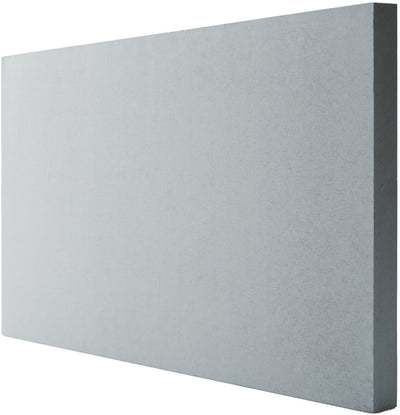
SkamoWall is a mineral internal insulation system based around calcium silicate boards.
Calcium silicate is highly porous and vapour open and can be particularly useful where increasing internal surface temperature and managing moisture at cold wall surfaces are important considerations.
SkamoWall should be installed as a complete compatible system rather than treating the board as a generic insulation panel.
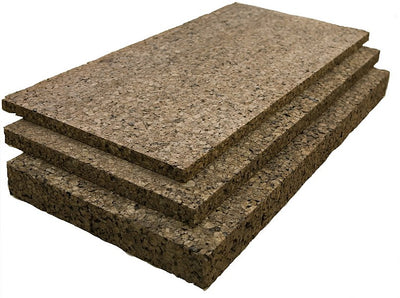
Cork Insulation
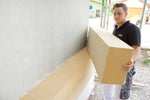
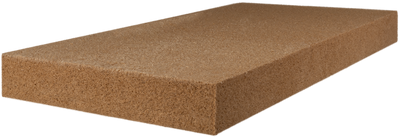
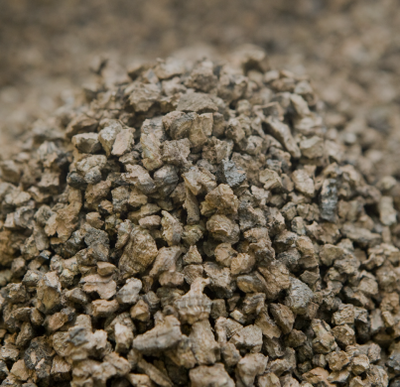
Expanded cork provides a rigid insulation option manufactured from cork granules.
It can offer useful thermal and acoustic performance and can be incorporated into suitably designed wall, roof and floor systems.
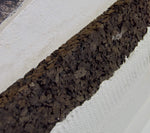
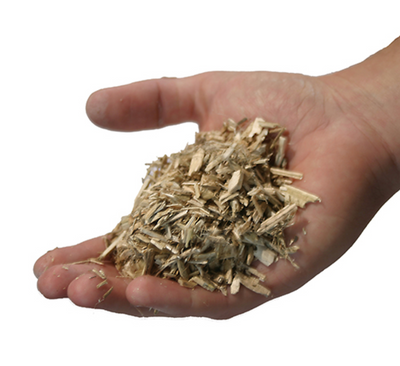
Expanded cork granules can also be used as loose-fill insulation in appropriate applications.
As with other insulation materials, the intended construction and moisture conditions should determine how cork is used rather than assuming one build-up suits every traditional wall.
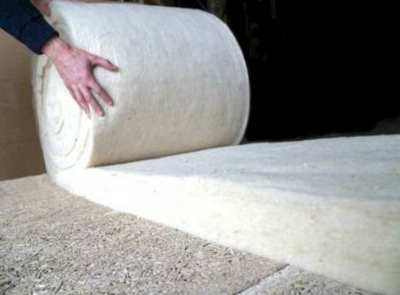
Sheep's Wool Insulation
Sheep's wool is a flexible insulation material suitable for appropriate framed walls, roofs and suspended floor constructions.
Its flexible form allows it to fit between timber studs, joists and rafters, making it particularly useful where insulation needs to conform closely around framing.
Where wool or other flexible insulation is used in a wall or roof, the vapour-control and airtightness strategy should be designed for the complete construction.
Wood Wool Boards
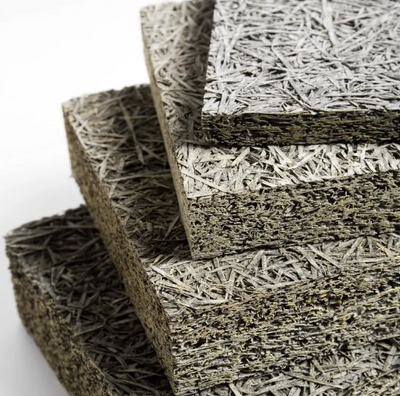
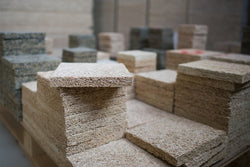
CEWOOD Wood Wool Boards are manufactured using wood wool, cement and water.
Their open textured surface provides an effective key for compatible plaster systems, while their structure can also contribute to acoustic absorption.
They should therefore be considered not simply as thermal insulation boards but also as robust plaster carrier and acoustic products.
Floor Insulation & Foam Glass Gravel
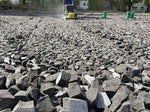
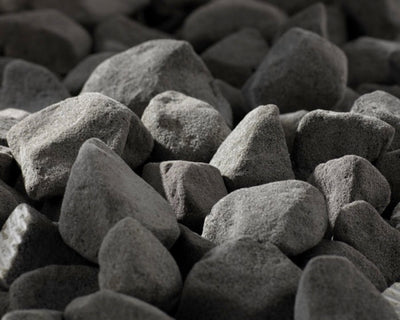
GLAPOR recycled foam-glass gravel is used as an insulating and capillary-breaking layer within suitable floor constructions.
It is manufactured from recycled glass and combines insulation with high load-bearing capacity and resistance to liquid-water uptake through capillary action.
Roundtower uses GLAPOR as a principal component within its Limecrete Flooring System for traditional and breathable floor construction.
Thermal Conductivity & U-Value
The thermal conductivity or lambda value (λ) describes how readily heat passes through an insulation material.
Lower lambda values generally indicate greater insulating performance for the same thickness.
However, lambda is only one part of the calculation.
The final U-value of a wall, roof or floor depends on insulation thickness and all the other layers within the construction.
This is why comparing products purely by lambda value can be misleading.
Moisture Buffering & Vapour Permeability
The term “breathable insulation” is often used very broadly.
Water-vapour diffusion is important, but traditional walls also manage moisture through capillary transport, moisture storage and evaporation.
Different insulation materials vary considerably in these characteristics.
A vapour-open material is therefore not automatically suitable for every wall simply because it has a low resistance to water-vapour diffusion.
Insulating Damp Walls
Insulation should not be used to hide an unresolved moisture problem.
Before insulating a traditional wall, significant sources of moisture such as defective rainwater goods, open masonry joints, penetrating rain, leaking pipes or inappropriate external ground levels should be investigated.
Some vapour-open and capillary-active insulation systems can tolerate and redistribute moisture better than highly moisture-sensitive systems, but the source and severity of the dampness still need to be understood.
Natural Insulation for Roofs
Wood fibre and other flexible insulation materials can provide effective roof insulation.
Flexible products can be fitted between rafters, while appropriate rigid wood fibre boards may form part of over-rafter, sarking or sheathing systems.
Roof constructions also need appropriate airtightness, vapour control and weather protection, so individual insulation products should be installed as part of a designed roof build-up.
Natural Insulation for Floors
Floor insulation requirements vary considerably between suspended timber floors and solid ground-bearing floors.
Flexible wood fibre or sheep's wool can be suitable between joists in appropriate suspended timber-floor constructions.
Traditional solid floors may use a very different approach, such as a capillary-breaking foam-glass insulation layer beneath a limecrete floor.
The wall-to-floor junction should also be considered because changing the floor construction can influence moisture conditions at the base of a traditional wall.
Summer Comfort
Thermal insulation is not only about keeping heat inside during winter.
Dense fibrous materials such as wood fibre have relatively high heat-storage capacity and can help slow the movement of summer heat through wall and roof constructions.
This can be particularly beneficial in roof spaces and lightweight construction where overheating is a concern.
Do I Need a Vapour Control Layer?
Not every natural or vapour-open insulation system requires the same vapour-control strategy.
Some solid-wall internal insulation systems are designed to remain capillary active and vapour open without a conventional vapour barrier.
Framed wall and roof systems may require a different approach, including variable-permeability vapour control membranes depending on the construction.
The correct solution should therefore be determined from the complete wall or roof build-up rather than automatically adding or omitting a vapour control layer.
U-Value & WUFI Analysis
Roundtower can assist with U-value calculations to evaluate the thermal performance of proposed wall, roof and floor build-ups.
For more complex solid-wall insulation projects, WUFI hygrothermal analysis can be used to investigate how heat and moisture may behave through the proposed construction over time.
This can be particularly useful for highly exposed masonry, unusual wall build-ups, significant insulation thicknesses or conservation projects where moisture risk needs more detailed assessment.
Frequently Asked Questions
What is the best natural insulation for an old stone wall?
There is no single best material.
Wood fibre, insulating lime plaster, calcium silicate and cork can all be appropriate depending on the wall condition, exposure, required insulation level and available space.
Is wood fibre suitable for solid walls?
Yes.
Wood fibre products specifically designed for internal masonry insulation can form part of compatible solid-wall insulation systems.
Is SuperTherm better than wood fibre?
They solve the same thermal problem in different ways.
Wood fibre boards can provide high thermal performance at controlled thicknesses, while SuperTherm can follow irregular masonry and create a continuous insulating plaster layer.
The correct choice depends on the wall and project requirements.
Which insulation has the lowest lambda value?
Several products within the range achieve very low thermal conductivity.
For example, STEICO Flex 036 has a declared lambda of approximately 0.036 W/mK, STEICO Internal approximately 0.038 W/mK and Roundtower SuperTherm approximately 0.0395 W/mK.
The lowest lambda value should not be the only factor used when choosing insulation.
Is natural insulation suitable for listed or protected buildings?
Natural and vapour-open insulation systems can be appropriate for many historic and protected buildings.
Suitability still depends on the significance of the existing fabric, the proposed intervention, moisture behaviour and any relevant conservation requirements.
Will breathable insulation prevent condensation?
Not automatically.
Insulation can increase internal surface temperatures and appropriately designed vapour-open systems can support moisture management, but condensation risk depends on the complete construction, internal humidity, temperature and ventilation.
Can natural insulation be used with underfloor heating?
Yes, appropriate insulation systems can be incorporated beneath floors containing underfloor heating.
Within a limecrete floor, the complete floor depth, insulation layer, slab and heating-system arrangement should be designed together.
Do you provide U-value calculations?
Yes.
Roundtower can provide U-value modelling for proposed wall, roof and floor insulation systems and can also provide WUFI analysis where more detailed hygrothermal assessment is required.
Need Help Choosing an Insulation System?
If you are unsure whether your project requires wood fibre, insulating lime plaster, calcium silicate, cork, sheep's wool or foam-glass floor insulation, contact Roundtower Lime with details of the existing construction and proposed upgrade.
Our technical team can help compare insulation materials, develop suitable build-ups and provide U-value or WUFI analysis where required.