Tools for Lime, Plastering & Conservation Work
Good workmanship depends not only on selecting the correct mortar, plaster or insulation material but also on using tools suited to the application.
Roundtower Lime stocks a practical range of tools for lime pointing, plastering, rendering, masonry preparation and natural insulation installation.
The correct tool helps improve control, compaction, surface finish and efficiency while reducing unnecessary disturbance to traditional masonry.
Pointing Tools
Lime pointing often requires smaller, narrower tools than general bricklaying work.
Finger trowels, pointing trowels and small tools allow mortar to be placed and compacted accurately into joints without spreading excessive mortar over the face of the surrounding stone or brick.
The width of the tool should suit the joint being worked.
For traditional rubble masonry, having several different widths available can be useful because joint dimensions frequently vary across the wall.
Finger Trowels
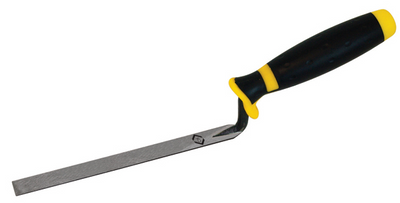
Finger trowels are particularly useful for narrow or irregular mortar joints.
Their narrow blades allow lime mortar to be pushed deeply into the joint and compacted in controlled layers.
This is preferable to applying only a thin surface layer of new mortar over an inadequately prepared joint.
Small Tools
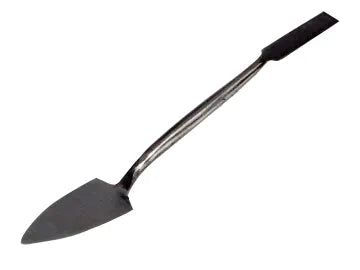
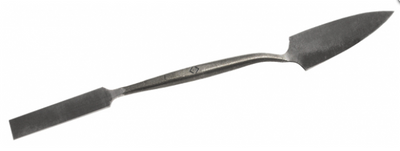
Double-ended plasterers' and masonry small tools are useful for detailed work around corners, edges, reveals and small areas.
Different blade shapes can help with fine pointing, shaping, detailing and repairing localised defects where a conventional trowel is too large.
They are particularly useful during conservation work where careful control around existing masonry is important.
Plastering Trowels
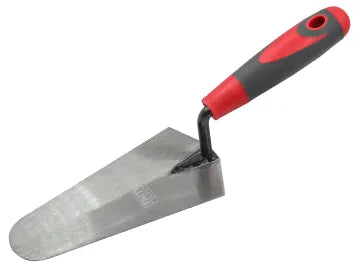
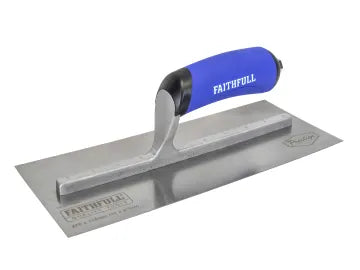
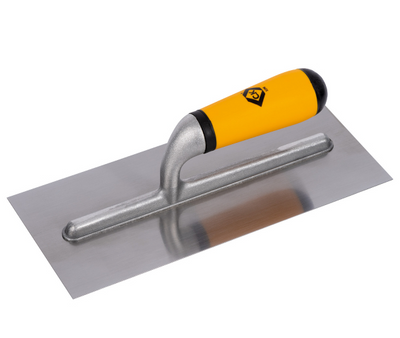
A good plastering trowel is one of the principal tools for applying and finishing lime plaster.
Lime plasters are generally worked differently from modern gypsum finishes, so excessive polishing or over-working should be avoided where it would close the surface unnecessarily.
The correct timing of each finishing stage is as important as the trowel itself.
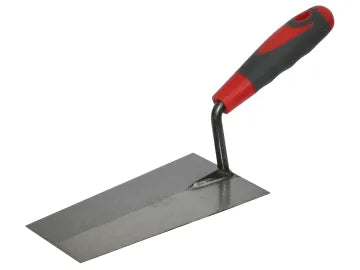
Gauging & Bucket Trowels
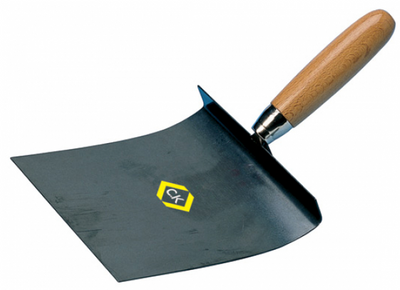
Gauging trowels are useful for mixing and transferring smaller quantities of mortar or plaster, while bucket trowels are designed to remove material efficiently from mixing tubs and buckets.
These simple tools can be particularly useful when preparing small batches, carrying out repairs or working with ready-mixed lime products.
Hawks
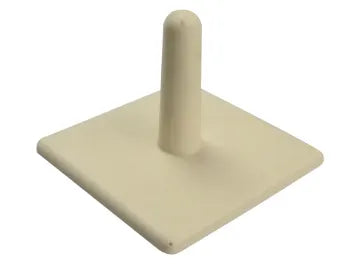
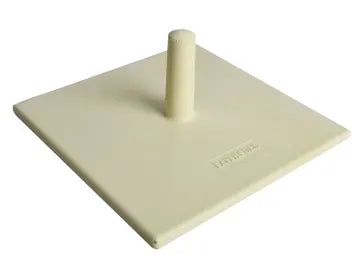
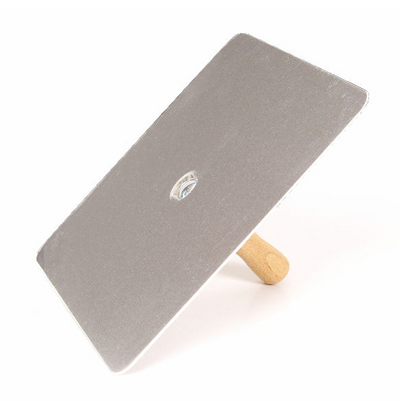
A plasterer's hawk provides a portable working surface for holding mortar or plaster during application.
Plastic and metal hawks each have their advantages, and the choice is largely down to preference and the type of material being applied.
For fine plastering and repair work, a manageable hawk size can provide better control than overloading the tool with excessive material.
Floats
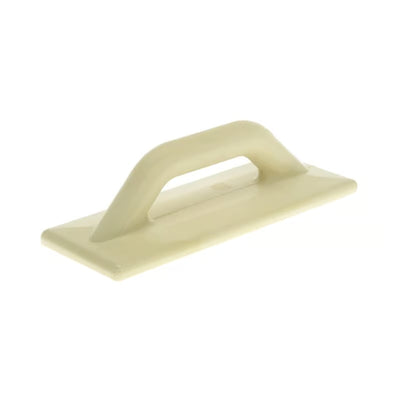
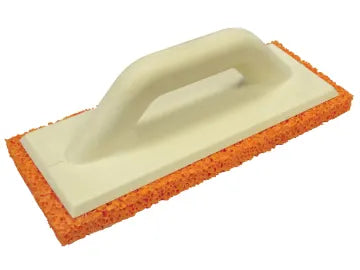
Floats are used to consolidate, level and finish plaster and render surfaces.
Different float materials produce different effects.
A plastic float can be useful for general finishing and levelling, while a sponge float can be used to refine the surface of selected lime plasters and renders.
The correct finishing method depends on the particular product and required texture.
Harling Trowels
A harling trowel is used to throw or cast wet mortar onto a wall surface.
Harling is a traditional external finish associated particularly with exposed masonry buildings and provides a textured surface that can help shed rain when correctly specified and applied.
The mortar specification, background preparation, application technique and curing remain just as important as the tool itself.
Brushes for Lime Work
Brushes are useful throughout lime work.
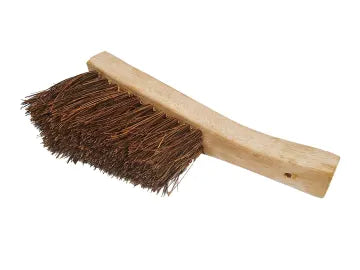
A stiff or churn brush can help clean prepared joints, remove loose debris and finish certain lime mortar surfaces.
Brush finishing should normally be carried out only when the mortar has stiffened sufficiently.
Brushing too early can smear the binder across the masonry or disturb the aggregate structure of the mortar.
Sprayers & Dampening
Controlling suction is important when applying lime mortars and plasters to porous masonry.
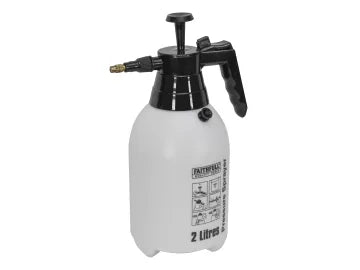
A hand pressure sprayer provides a convenient way to dampen backgrounds and freshly applied lime work in a controlled manner.
The aim is generally to control excessive suction rather than saturate the wall unnecessarily.
The required amount of dampening depends on the masonry, weather and product being applied.
Insulation Saws
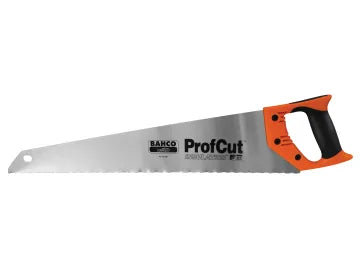
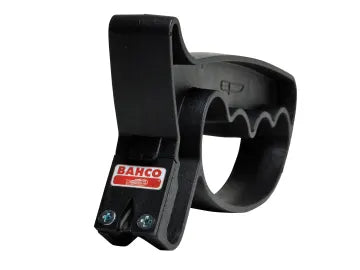
Natural insulation materials such as wood fibre often require specialist cutting tools.
Insulation saws use blade geometry designed to cut fibrous insulation more effectively than many conventional timber saws.
Accurate cutting helps achieve close-fitting joints around rafters, studs and other structural members, reducing gaps within the insulation layer.
Cutting Flexible Wood Fibre
Flexible wood fibre insulation should generally be cut slightly oversize so that it friction-fits securely between timber members.
A sharp insulation saw allows the material to be cut cleanly without unnecessarily compressing or tearing the fibres.
Accurate fitting is particularly important around junctions and services where gaps can reduce the effectiveness of the insulation layer.
Tools for Lime Mortar Preparation
Before repointing, deteriorated mortar needs to be removed carefully without damaging the surrounding masonry.
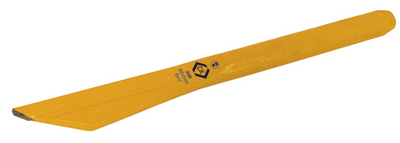
Tools such as plugging chisels and appropriately sized hand tools can be useful for controlled joint preparation.
Power tools should be used cautiously on historic masonry because aggressive cutting can widen joints or damage the edges of softer stone and brick.
Cleaning Tools After Lime Work
Lime mortar and plaster should generally be removed from tools before it is allowed to harden.
Regular washing during use can help keep blades and floats clean and maintain better control over the finished surface.
Tools should then be dried and stored appropriately, particularly carbon-steel items that may be susceptible to corrosion.
Choosing the Right Tool
There is rarely one trowel or float suitable for every type of lime work.
Pointing, coarse rendering, fine finishing and insulation installation all benefit from different tools.
Consider the joint width, plaster type, required finish and size of the area being worked before choosing a tool.
Frequently Asked Questions
What tools do I need for lime pointing?
A basic lime-pointing kit normally includes suitable finger or pointing trowels, small tools, a hawk, brushes and equipment for controlled dampening.
The exact tools depend on the width and character of the masonry joints.
What size finger trowel should I use?
Choose a blade slightly narrower than the joint so that the mortar can be placed and compacted without smearing excessive material over the masonry face.
Traditional stone walls may require several trowel widths.
Can I use a normal plastering trowel for lime plaster?
Yes.
Professional plastering trowels can be used for lime plaster, although the finishing technique and timing differ from modern gypsum plastering.
What is a sponge float used for?
A sponge float can be used to refine and even out the surface of selected lime plasters and renders once they have reached the appropriate stage of set.
What is a harling trowel?
A harling trowel is designed to cast wet mortar onto a wall to create a traditional textured harled finish.
Should masonry be dampened before lime pointing?
Porous masonry often needs to be dampened to control excessive suction before lime mortar is applied.
The wall should not simply be saturated indiscriminately; the amount depends on the background and conditions.
Why use a specialist insulation saw?
Flexible and rigid fibrous insulation materials can be difficult to cut cleanly with conventional saws.
A specialist insulation saw helps produce more accurate cuts and closer-fitting joints.
Can Roundtower advise on tools for a lime project?
Yes.
If you tell us whether you are pointing, plastering, rendering or installing insulation, Roundtower Lime can help identify the most useful tools for the work.
Need Help Choosing Tools?
If you are preparing for a lime pointing, plastering, rendering or insulation project, contact Roundtower Lime and we can help identify the tools and supporting products needed for the application.