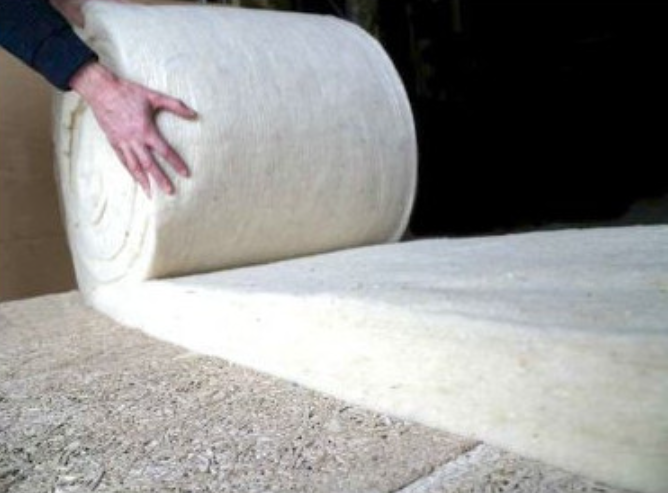


Sheep's Wool Insulation
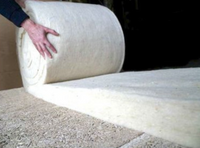
Sheep's Wool Insulation is a premium natural insulation manufactured from 100% sheep's wool fibres for suspended timber floors, intermediate floors, ceilings and attic floors. Offering excellent thermal and acoustic performance alongside outstanding moisture regulation, it is an ideal choice for breathable new-build and renovation projects.
Unlike many conventional insulation products, it contains no chemical binders or synthetic fibres. Instead, the wool fibres are mechanically interlocked using a needle-punching process, creating a durable, flexible insulation mat while preserving the wool's natural properties.
Naturally hygroscopic and highly vapour open, it helps regulate indoor humidity and contributes to a healthier indoor environment by capturing airborne pollutants such as formaldehyde and VOCs.
Flexible enough to friction-fit tightly between timber joists, Sheep's Wool Insulation is particularly suited to suspended timber floors, ceilings and attic floors. Renewable, biodegradable and treated for long-term protection against moths and insect attack, it provides a durable, natural insulation solution for breathable building construction.
Technical Data
| Property | Value |
|---|---|
| Product Type | Natural Sheep Wool Insulation |
| Material | 100% Sheep Wool |
| Thermal Conductivity (λ) | 0.033–0.042 W/mK |
| Moisture Absorption Capacity | Up to 33% of Own Weight |
| Fire Classification | C or D (depending on product type) |
| Moisture Behaviour | Vapour Open & Hygroscopic |
| Wool Protection | Ionic Protect |
| Certification | Natureplus Certified |
| Application | Walls, Roofs & Floors |
Key Benefits
Excellent Thermal Insulation
Sheep wool provides effective thermal insulation while remaining breathable and moisture regulating.
Regulates Humidity
The wool fibres can absorb up to 33% of their own weight in moisture and release it again when environmental conditions change, helping to regulate indoor humidity levels.
Supports Healthy Indoor Environments
Published manufacturer literature states that sheep wool can help remove odours and airborne pollutants such as formaldehyde from indoor environments.
Acoustic Performance
The natural fibre structure provides sound absorption properties that can contribute to improved acoustic comfort.
Vapour Open Construction
Suitable for breathable wall, roof, and floor constructions where moisture movement through the building fabric is required.
Natural & Renewable
Manufactured from a renewable natural fibre that is recyclable and biodegradable at the end of its service life.
Ionic Protect® Wool Protection
Protected using Ionic Protect, a biocide-free wool protection system developed specifically for sheep wool insulation products.
Typical Applications
| Application | Suitability |
| Between-Rafter Roof Insulation | ✓ |
| Timber Frame Walls | ✓ |
| Suspended Timber Floors | ✓ |
| Internal Partitions | ✓ |
| Acoustic Insulation | ✓ |
| Breathable Construction Systems | ✓ |
| New Build Projects | ✓ |
| Renovation Projects | ✓ |
Why Use Sheep's Wool Insulation?
Sheep wool combines thermal insulation, acoustic performance, and moisture regulation within a single natural material. Unlike many conventional insulation products, it can absorb and release moisture while maintaining its insulating properties, making it particularly suitable for breathable construction systems.
Its natural composition, humidity buffering capability, and indoor air quality benefits make it a popular choice for sustainable construction and renovation projects.
Installation Overview
1. Preparation
Ensure cavities, rafters, studs, or joists are clean, dry, and suitable for insulation installation.
2. Cutting
Cut the insulation slightly oversize to achieve a friction-fit installation.
3. Installation
Install between timber studs, rafters, joists, or other framing members, ensuring a close fit without gaps.
4. Membrane Integration
Use within suitable breathable wall, floor, and roof build-ups where specified.
5. Finishing
Complete the construction using the specified internal and external lining systems.