Peelaway 1 is a professional-grade, water-based alkaline paint and varnish remover designed to strip multiple layers of old paint from traditional building surfaces. Particularly effective on historic oil-based and lead-based paints, this specialist poultice paint removal system is ideal for heritage restoration, period property renovation and conservation projects.
Suitable for use on stone, brick, plaster, timber, steel and cast iron, Peelaway 1 offers an effective alternative to conventional paint stripping methods, helping remove stubborn paint coatings while reducing the need for aggressive scraping, sanding or abrasive blasting.
Its unique paste and blanket system allows multiple layers of paint to be softened and lifted away together, making it particularly useful for intricate architectural details, decorative plasterwork, cornices, timber mouldings and traditional masonry.
Ideal for Traditional Buildings & Heritage Restoration
Older buildings often have numerous layers of paint accumulated over decades, including oil-based finishes and potentially hazardous lead-containing coatings. Removing these layers can be particularly challenging where the original substrate is delicate or features intricate decorative detailing.
Peelaway 1 is specially formulated to tackle these older paint systems, making it an excellent choice for restoring historic buildings while helping retain the character of the original materials.
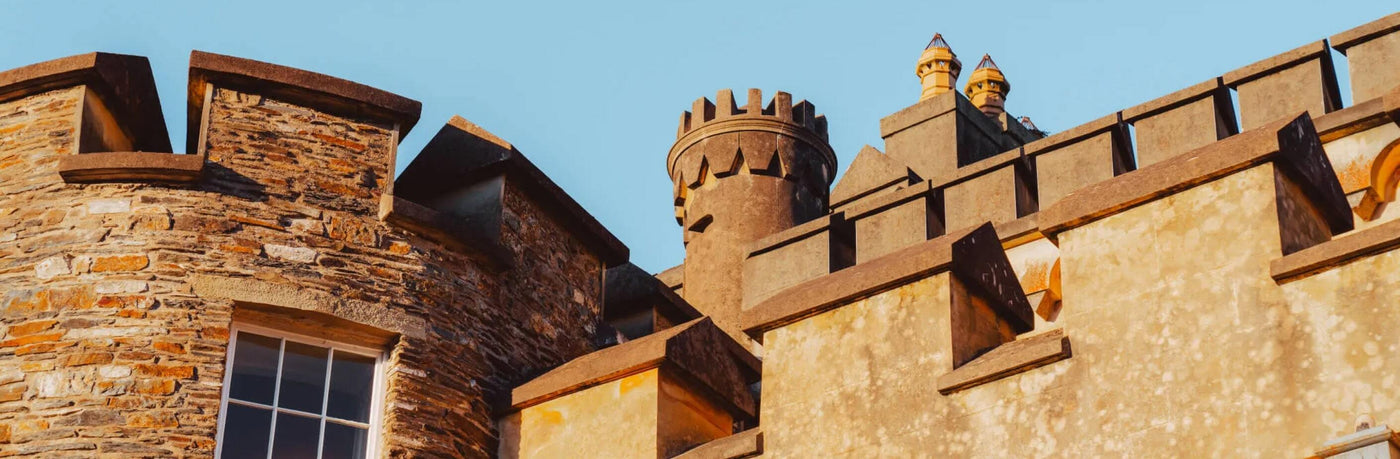
For traditional stone and brick masonry, removing unsuitable or deteriorating paint coatings can also form an important part of a broader conservation programme, particularly where the intention is to restore the appearance of the original masonry or prepare it for a compatible finish.
The poultice system helps contain softened paint residues beneath a specially designed covering blanket, reducing the generation of airborne paint dust compared with mechanical removal methods.
Features & Benefits
-
Removes multiple layers of old paint – particularly effective on historic oil-based and lead-based coatings
-
Ideal for heritage restoration – suitable for period properties, historic buildings and traditional masonry
-
Suitable for a wide range of surfaces – including stone, brick, timber, plaster, steel, cast iron and concrete
-
Poultice paint removal system – uses a specialist paste and covering blanket to soften and lift paint coatings
-
Reduced abrasive preparation – minimises the need for extensive sanding, grinding or mechanical scraping
-
Effective on intricate details – ideal for ornate plaster cornices, decorative mouldings, carved timber and architectural ironwork
-
Suitable for internal and external applications – including walls, ceilings, doors, windows and masonry
-
Water-based alkaline formulation – specifically developed for removing older paint and varnish systems
-
Helps contain hazardous paint residues – the covering blanket assists in collecting stripped coatings for controlled disposal
-
Professional restoration solution – suitable for conservation contractors, specialist decorators and heritage renovation projects
Typical Applications
Peelaway 1 is particularly suitable for:
-
Traditional stone and brick walls – removing accumulated paint layers from historic masonry
-
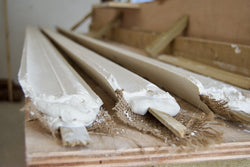
Decorative plasterwork and cornices – stripping old paint from intricate architectural mouldings
-
Timber doors and windows – removing historic paint and varnish from traditional joinery
-
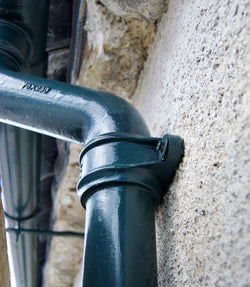
Cast iron railings and architectural metalwork – removing multiple layers of old paint from detailed surfaces
-
Period property restoration – preparing suitable surfaces for conservation and refurbishment
-
Lead paint removal projects – helping reduce airborne dust during the removal of lead-containing coatings
-
Ornate ceilings and interior features – stripping paint from moulded and decorative plaster surfaces
Product Specifications
-
Product Type: Poultice Paint & Varnish Remover
-
Formulation: Water-Based Alkaline Paste
-
Primary Application: Removal of Multiple Layers of Historic Paint
-
Suitable Paint Types: Oil-Based Paints, Lead-Based Paints, Alkyd Coatings and Certain Other Paint and Varnish Systems
-
Suitable Substrates: Stone, Brick, Plaster, Timber, Steel, Cast Iron and Concrete
-
Application: Internal and External
-
Application Thickness: Approximately 1–6mm, depending on the paint system
-
Typical Dwell Time: 2–48 Hours, potentially longer for particularly heavy paint build-up
-
Available Sizes: 5kg and 15kg
-
System Components: Paint Removal Paste, Poultice Blanket and Neutraliser
How to Apply Peelaway 1
1. Carry Out a Test Patch
Always complete a test patch before beginning work to establish the appropriate application thickness, dwell time and suitability for the underlying surface.
2. Apply the Paint Remover
Using a suitable spatula, brush or trowel, apply Peelaway 1 evenly over the painted surface. Application thickness will depend on the number and type of paint layers being removed.
3. Apply the Poultice Blanket
Place the Peelaway covering blanket over the paste, ensuring good contact with the surface and minimising trapped air.
4. Allow the Product to Work
Leave the system in place for the period determined by the test patch. The alkaline paste progressively softens the existing paint layers, allowing them to be removed together.
5. Remove the Paint
Carefully lift away the covering blanket along with the softened paint and stripping paste. Collect all residues for disposal in accordance with applicable waste regulations.
6. Clean and Neutralise the Surface
After removing the paint, clean the substrate in accordance with the manufacturer's instructions. Peelaway 1 is highly alkaline and requires appropriate neutralisation and pH testing before applying subsequent finishes.
An Effective Paint Removal Solution for Historic Buildings
Peelaway 1 provides a practical method of removing stubborn historic paint coatings while limiting the need for aggressive mechanical stripping.
Whether restoring traditional masonry, decorative plasterwork, timber joinery or architectural ironwork, its specialist poultice system makes it particularly valuable for heritage conservation projects where preserving original building materials is a priority.