Roundtower Marine P10 Mortar
Roundtower Marine P10 Mortar is a ready-mixed natural cement mortar developed for building, bedding, and pointing masonry in marine and water-bearing environments. Manufactured using Natural Cement and sharp washed sands, it provides rapid strength development, excellent adhesion, and resistance to washout in damp and tidal conditions.
As the lowest-strength mortar within the Roundtower Marine range, Marine P10 is particularly suited to softer masonry, heritage structures, and conservation projects where a lower-strength repair mortar is required while still offering the benefits of a natural cement binder. Unlike lime mortars, it does not rely on carbonation to harden and can therefore be used in permanently damp conditions and below the water line.
Technical Data
| Property | Value |
|---|---|
| Product Type | Ready-Mixed Marine Mortar |
| Binder | Natural Cement |
| Aggregate | Sharp Washed Sand |
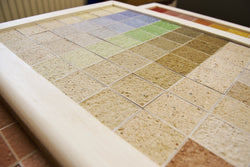
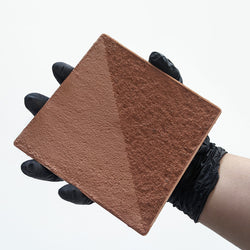
| Colour | Natural Tan |
| Application | External |
| Workability Time | Approx. 50 Minutes at 17°C |
| Yield | Approx. 14.5 Litres per 25kg Bag |
| Coverage | Approx. 1.5m² Pointing @ 10mm Depth |
| Compressive Strength | Approx. 10 N/mm² |
| Fire Rating | A1 |
| Standard | BS EN 998-2:2016 |
| Packaging | 25kg Bags |
Key Benefits
Lower Strength Marine Mortar
Designed for applications where a softer, more compatible mortar is required for historic or vulnerable masonry.
Water Resistant
Suitable for masonry exposed to tidal action, coastal weathering, freshwater, and saltwater environments.
Rapid Set
Develops strength quickly, helping reduce the risk of washout in wet and exposed conditions.
No Carbonation Required
Hardens hydraulically, allowing use in permanently damp and submerged environments.
Sulphate Resistant
Suitable for coastal and marine locations exposed to aggressive salts.
Portland Cement Free
Contains no Portland cement, synthetic polymers, or pigments.
Typical Applications
| Application | Suitability |
| Heritage Masonry Repairs | ✓ |
| Coastal Pointing | ✓ |
| Sea Walls | ✓ |
| Harbour Structures | ✓ |
| Lock Walls | ✓ |
| Canal Structures | ✓ |
| Tidal Zone Masonry | ✓ |
| Water-Bearing Masonry | ✓ |
| Conservation Projects | ✓ |
Why Use Marine P10?
Marine P10 is designed for projects where a lower-strength repair mortar is required but where masonry remains exposed to water, tidal action, or aggressive environmental conditions. It combines the compatibility benefits of a softer mortar with the rapid set, durability, and underwater curing characteristics of Natural Cement.
This makes it particularly suitable for conservation work, historic masonry repairs, and marine structures where stronger marine mortars may be inappropriate.
Installation Overview
1. Surface Preparation
Substrates should be clean, sound, and free from loose material.
2. Mixing
Mix with clean water or clear seawater free from biological contamination, silt, and sand.
3. Application
Suitable for pointing, building, and bedding in marine and water-bearing masonry applications.
4. Protection
Do not apply below 5°C or above 30°C. Protect fresh work from frost, heavy rain, direct sunlight, and drying winds.
5. Storage
Store dry, covered, and protected from moisture and frost.