

Mature Lime Putty
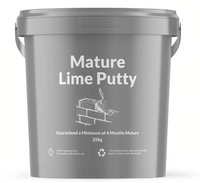
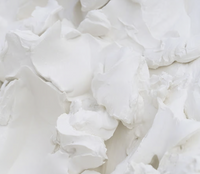
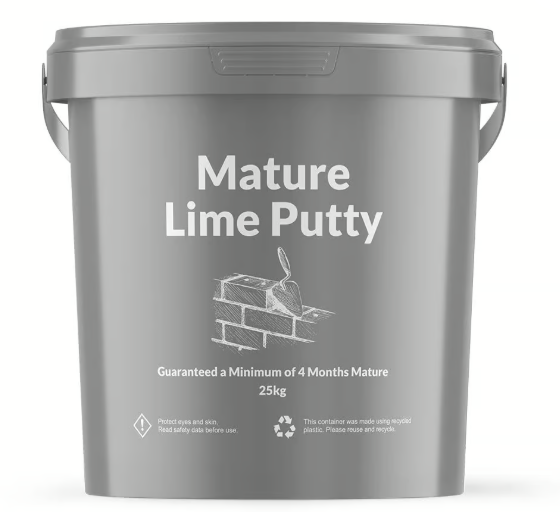
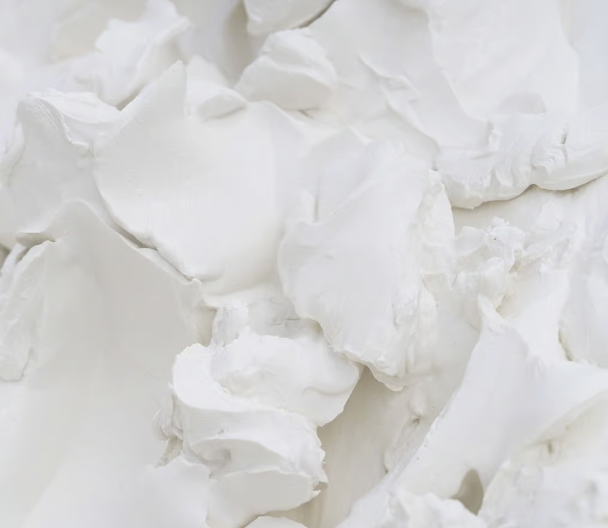
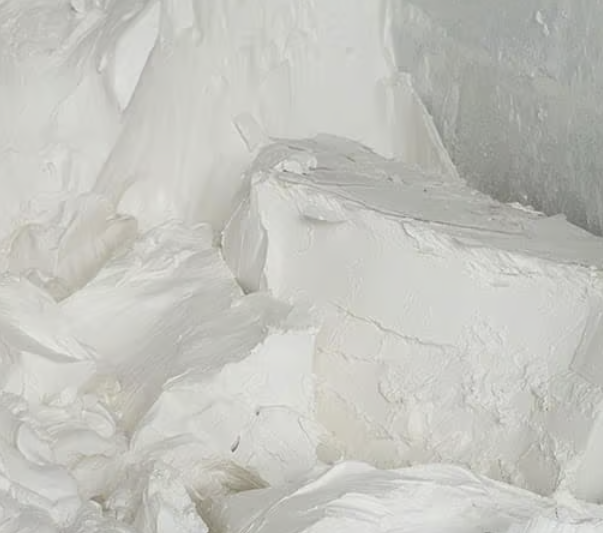
Roundtower Mature Lime Putty is a traditional non-hydraulic lime putty produced by slaking high-calcium quicklime with an excess of water and allowing it to mature for a minimum of four months. This ageing process ensures complete conversion to calcium hydroxide, improving workability, plasticity, and overall performance in traditional building applications.
Used for centuries in the construction and conservation of historic buildings, lime putty remains one of the most versatile and breathable binders available. It is suitable for producing lime mortars, lime plasters, limewash, and specialist conservation materials where maximum vapour permeability and compatibility with traditional masonry are required.
Technical Data
| Property | Value |
|---|---|
| Product Type | Matured Non-Hydraulic Lime Putty |
| Binder | High-Calcium Lime |
| Maturation Period | Minimum 4 Months |
| Colour | Natural White |
| Vapour Behaviour | Highly Breathable & Vapour Open |
| Application | Mortars, Plasters, Limewash |
| Packaging | 20L Tub / Bulk Options Available |
| Setting Mechanism | Carbonation |
Key Benefits
Highly Breathable
Lime putty allows moisture vapour to move freely through the building fabric, helping traditional masonry regulate moisture naturally and reducing the risk of trapped damp.
Matured for Improved Workability
The maturation process improves plasticity and creates a smooth, workable material that is easier to apply than freshly slaked lime.
Suitable for Heritage & Conservation Work
Its compatibility with traditional stone, brick, cob, and lime-built structures makes it a preferred choice for conservation and restoration projects.
Versatile Building Material
Can be used to produce:
- lime mortars,
- lime plasters,
- limewash,
- fine decorative plasterwork,
- and specialist conservation mixes.
Flexible & Compatible
Unlike rigid cement-based materials, lime putty remains flexible and allows traditional masonry to accommodate small movements without concentrating stress within the building fabric.
Natural & Additive Free
Produced from high-calcium lime and water without Portland cement, synthetic polymers, or chemical additives.
Typical Applications
- Traditional lime mortars
- Lime plastering
- Fine finish plasterwork
- Limewash production
- Pointing stone masonry
- Historic brick repairs
- Cob construction
- Heritage restoration
- Conservation projects
- Breathable building systems
Why Use Mature Lime Putty?
Traditional buildings were designed to manage moisture through vapour diffusion and capillary drying. Modern cement-based materials can interfere with this process by restricting moisture movement.
Mature lime putty remains one of the most breathable binders available and is particularly suited to:
- historic buildings,
- solid-wall construction,
- traditional masonry,
- and conservation-led projects.
Its high vapour permeability, flexibility, and compatibility with historic materials help maintain the long-term health of traditional building fabric.
Typical Mix Ratios
| Application | Typical Mix Ratio |
|---|---|
| Lime Mortar | 1 : 2.5–3 lime putty : sand |
| Lime Plaster Base Coat | 1 : 2.5–3 lime putty : sand |
| Lime Plaster Finish Coat | Varies depending on aggregate grading |
| Limewash | Lime putty diluted with water 1:2 |
Mix designs should always be adjusted depending on:
- aggregate grading,
- substrate type,
- exposure conditions,
- and project requirements.
Installation Overview
1. Surface Preparation
Substrates should be:
- clean,
- stable,
- free from dust,
- and appropriately dampened before application.
2. Mixing
Blend with suitable washed aggregates to produce mortars or plasters, or dilute with water to produce limewash.
3. Application
Suitable for:
- pointing,
- plastering,
- rendering,
- limewashing,
- and decorative lime work.
4. Curing
Protect fresh lime work from:
- frost,
- rapid drying,
- strong sunlight,
- and heavy rain.
As a non-hydraulic material, lime putty hardens by carbonation and requires access to air during curing.
5. Storage
Lime putty can be stored for extended periods when protected from contamination and prevented from drying out.