



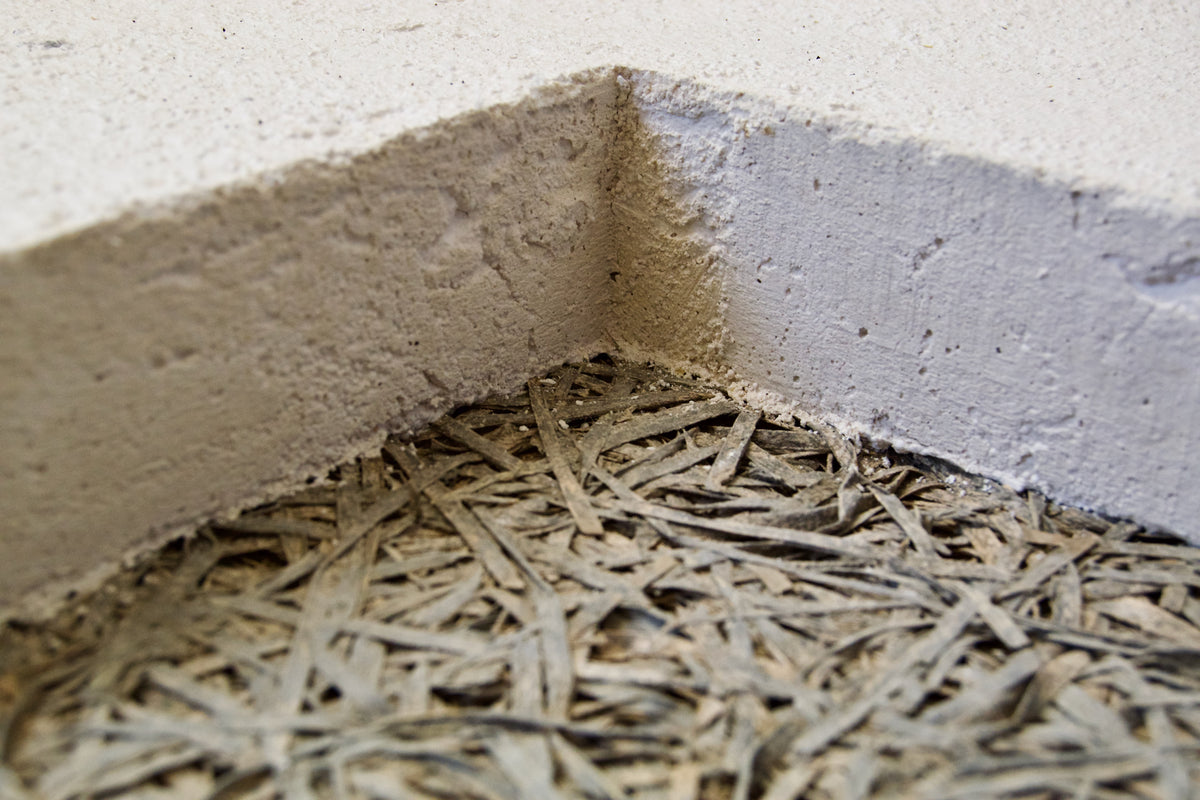


*Improved Thermal Performance*
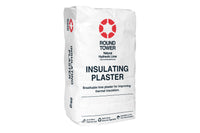
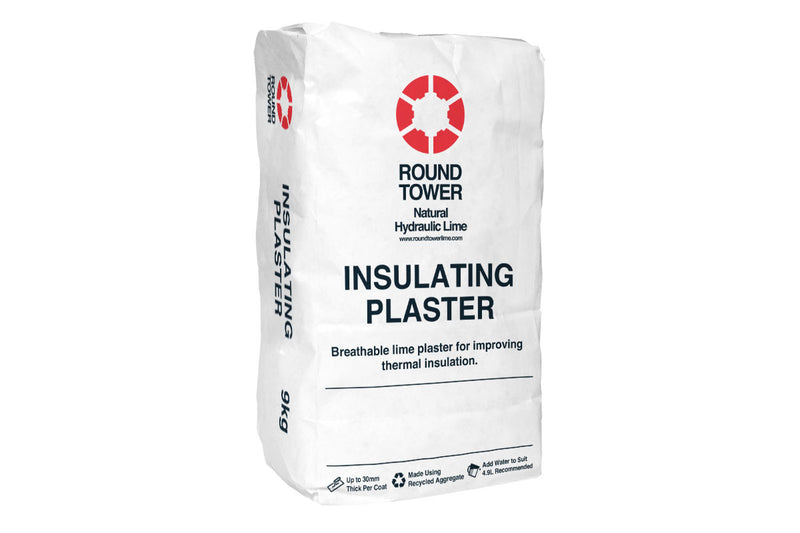
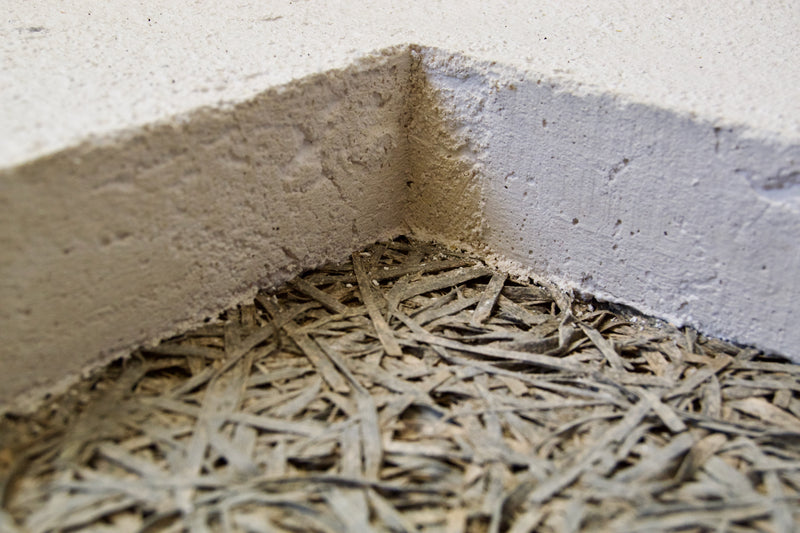
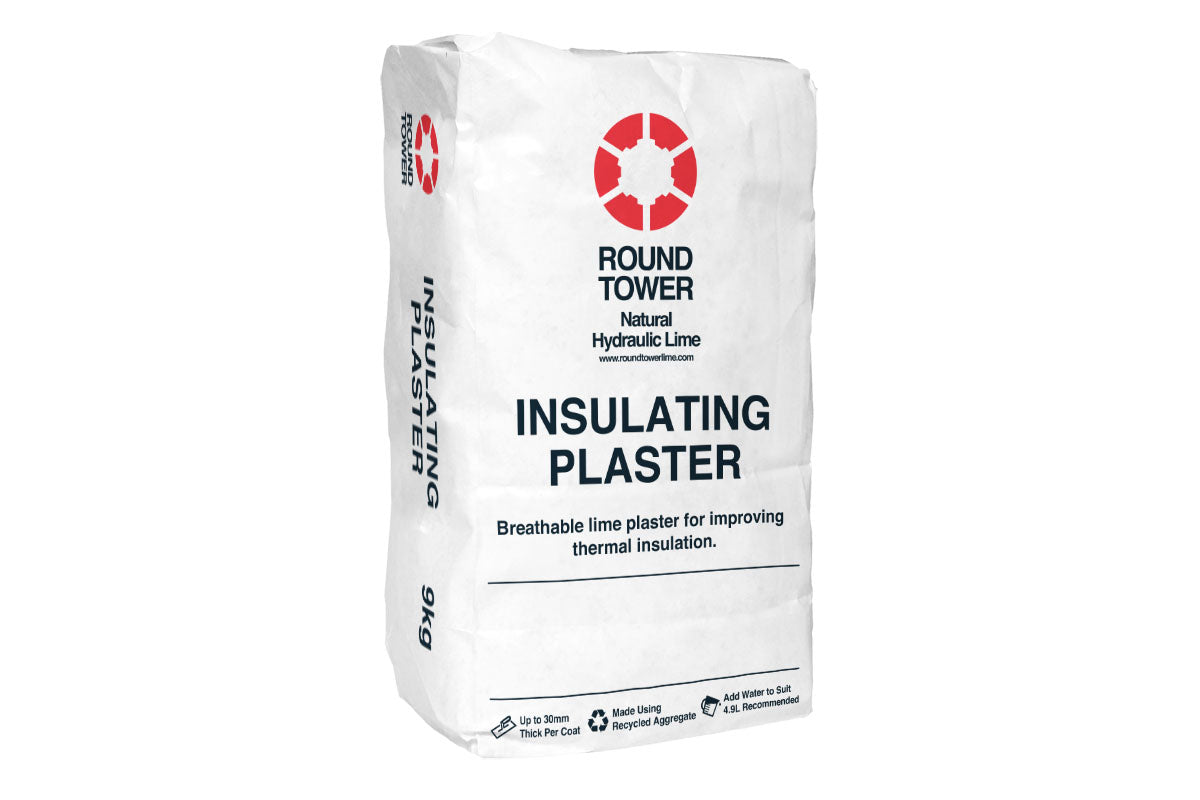
Roundtower Insulating Plaster is a breathable lightweight lime insulating plaster designed to improve the thermal performance of solid masonry walls while maintaining vapour permeability and moisture movement within the building fabric. Formulated using NHL2 lime and lightweight mineral aggregates, the plaster provides thermal improvement, moisture buffering, and substrate levelling within a single breathable application.
Unlike impermeable drylining systems, Roundtower Insulating Plaster allows traditional stone, brick, and lime-built walls to continue absorbing and releasing moisture naturally. This makes it particularly suitable for older solid-wall buildings, heritage properties, and breathable retrofit projects where moisture safety and compatibility with traditional masonry are essential.
Technical Data
| Property | Value |
|---|---|
| Material | NHL2-based insulating lime plaster |
| Thermal Conductivity (λ) | 0.095 W/mK |
| Vapour Behaviour | Fully vapour open & breathable |
| Binder | Natural Hydraulic Lime NHL2 |
| Aggregate | Lightweight mineral aggregates |
| Maximum Application Thickness | Up to 30 mm per pass |
| Moisture Behaviour | Moisture buffering & capillary active |
| Density | Lightweight mineral plaster |
| Application | Internal & external |
| Finish Compatibility | Lime plaster, mineral paint, limewash |
Key Benefits
Improves Thermal Performance
With a thermal conductivity of approximately λ = 0.095–0.12 W/mK, Roundtower Insulating Plaster provides a noticeable improvement in wall thermal performance compared to standard lime plaster systems.
Vapour Open & Moisture Safe
The plaster remains fully breathable, allowing moisture vapour to diffuse safely through the wall assembly while supporting capillary drying of traditional masonry.
Moisture Buffering
The lime-based formulation helps regulate internal humidity by absorbing and rereleasing moisture vapour, reducing condensation risk and improving indoor comfort.
Suitable for Uneven Masonry
Because the plaster can be applied directly to irregular stone and rubble walls, it works particularly well as both:
- a levelling coat,
- and a breathable thermal upgrade.
This makes it highly suitable for traditional buildings where rigid board systems may be difficult to install.
High Build Application
The plaster can typically be applied in:
- 25–30 mm coats in a single pass,
allowing faster installation compared to conventional lime plaster systems requiring multiple thinner coats.
Compatible with Heritage Buildings
Suitable for:
- solid stone walls,
- lime masonry,
- historic buildings,
- and breathable retrofit systems
where compatibility with traditional construction is important.
Direct-to-Wall Application
No battens, framing, or insulation boards are required, reducing:
- thermal bridging,
- system complexity,
- and floor space loss.
Typical Applications
- Internal wall insulation for solid masonry buildings
- Breathable retrofit projects
- Heritage and conservation work
- Uneven stone and rubble walls
- Damp-prone solid walls
- Lime-based construction
- Internal and external breathable render systems
Why Use Roundtower Insulating Plaster?
Traditional masonry buildings manage moisture through vapour diffusion and capillary drying. Impermeable systems such as gypsum plaster, cement render, or PIR-backed plasterboard can interrupt this drying process and increase the risk of:
- trapped moisture,
- condensation,
- mould growth,
- and long-term masonry deterioration.
Roundtower Insulating Plaster differs because it remains:
- vapour open,
- capillary active,
- and fully compatible with breathable masonry systems.
The plaster also works particularly well where:
- preserving internal floor space is important,
- walls are uneven,
- or a simpler direct-applied insulation system is preferred over framed board systems.
Installation Overview
1. Surface Preparation
Walls should be stable, clean, and free from:
- gypsum,
- cement contamination,
- paint residues,
- salts,
- or loose material.
2. Suction Control
Highly absorbent backgrounds should be dampened appropriately before plaster application.
3. Plaster Application
The plaster can generally be applied:
- up to 30 mm per pass,
- by hand or machine application.
Multiple coats may be applied depending on the required thickness.
4. Levelling & Finishing
The plaster can act as:
- a standalone breathable insulating plaster,
- or a levelling coat beneath breathable board systems such as wood fibre insulation.
5. Final Finish
Suitable finishes include:
- lime plaster,
- mineral plaster,
- limewash,
- silicate paint,
- and breathable decorative coatings.